The man behind the medals
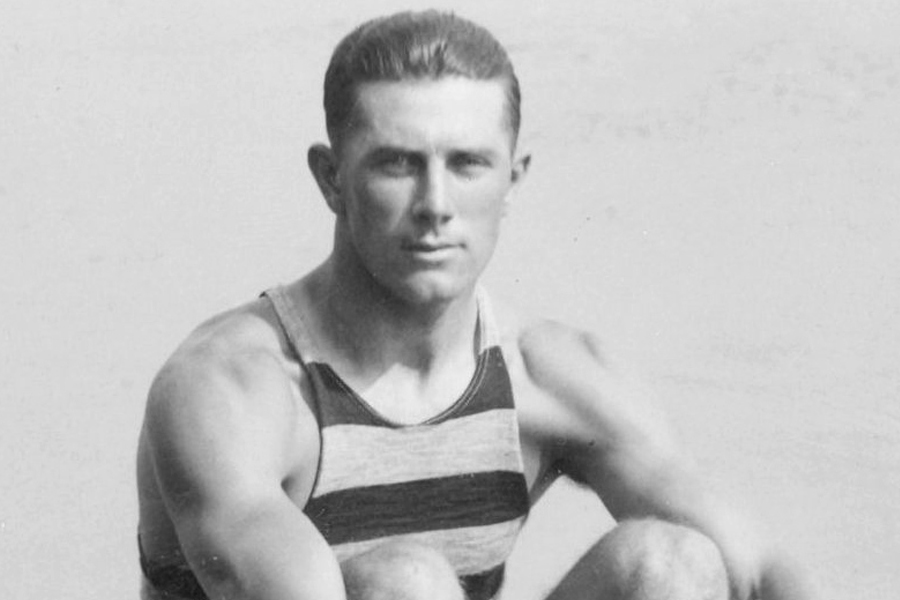
I see more in Jack Kelly Sr. than a champion rower. I saw a man who bridged periods with athletic success, business ambition, and familial stature. Jack Kelly Sr., born John Brendan Kelly Sr. in Philadelphia in 1889, was one of the most famous American athletes of his time. His life encompassed rowing lanes, construction sites, city politics, and a famous household.
His tale is unusual. Not only did he win, he faded. A bricklayer turned businessman. He was a public figure turned politician. He also had children with names that went beyond Philadelphia. He had a personal and historic existence, like a river that nourished numerous streams.
Jack Kelly Sr. had a remarkable athletic record. He won single and double sculls gold at the 1920 and 1924 Olympics. He appeared to have won 126 straight single scull races, making him legendary in rowing circles. Some numbers aren’t just statistics. The bones of a legend.
Family roots and household legacy
The Kelly family line matters just as much as the victories. Jack Kelly Sr. was the son of John Henry Kelly and Mary Anne Costello, and he came from an Irish immigrant family rooted in Philadelphia. That background shaped the family identity in strong and lasting ways. It also helped create the kind of disciplined, ambitious environment that later defined the next generation.
He married Margaret Katherine Majer Kelly, a woman of major importance in her own right. She was a trailblazer in women’s athletics at the University of Pennsylvania and later became a central figure in the family’s public image. Their marriage joined two powerful worlds, athletic excellence and civic influence. Together, they formed a household that was as energetic as it was prominent.
Their children were Margaret Katherine Kelly, John B. Kelly Jr., Grace Kelly, and Elizabeth Anne Kelly. Each child carried a different part of the family legacy.
| Family Member | Relationship to Jack Kelly Sr. | Notes |
|---|---|---|
| John Henry Kelly | Father | Irish immigrant father |
| Mary Anne Costello | Mother | Irish immigrant mother |
| Margaret Katherine Majer Kelly | Spouse | Athletics leader and family matriarch |
| Margaret Katherine Kelly | Daughter | One of the four children |
| John B. Kelly Jr. | Son | Olympic rower and public figure |
| Grace Kelly | Daughter | Actress and Princess of Monaco |
| Elizabeth Anne Kelly | Daughter | Part of the family circle later connected to the LeVine line |
That family did not live in the shadow of his fame. It expanded it. Grace Kelly became one of the most famous women in the world. John B. Kelly Jr. became an accomplished rower and public personality. Margaret and Elizabeth remained part of the broader family story, helping anchor a lineage that stayed visible across generations.
Jack Kelly Sr. also became a grandfather whose descendants carried the family name into another century. Among the best known grandchild links is Prince Albert II of Monaco, through Grace Kelly. Through John B. Kelly Jr., the family line extended into descendants such as John B. Kelly III, Susan von Medicus, Elizabeth Kelly, Ann Ogle, Margaret Christina Kelly, and Maura Grace Kelly Casey. The family tree does not feel static. It feels like a living oak, branching and branching again.
Career, money, and public work
Jack Kelly Sr. did not rely on sport alone. He began as a bricklayer in 1907 and eventually built a successful construction business. That part of the story matters because it shows that his life was grounded in labor. He knew work with his hands before he knew medals and public honors. To me, that makes his success feel more earned, more textured, more human.
His business career reportedly brought him substantial wealth, and he became known as a construction magnate. That financial success gave him public influence. It also opened doors into civic and political life. He served as Pennsylvania secretary of revenue from 1936 to 1937, and he ran for mayor of Philadelphia in 1935. He was active in the Democratic Party and held leadership roles tied to city institutions, including the Fairmount Park Commission.
He also played a role in national physical fitness work during World War II. That detail is easy to miss, but it says something important. Kelly’s identity was not trapped inside rowing. He carried athletic discipline into public service, as if the body that once cut water cleanly had later learned to steer civic currents.
The athlete as a public symbol
The image of Jack Kelly Sr. is powerful because it combines grit and grace. He was a bricklayer, then a champion, then a businessman, then a public official. Each stage built on the last. His rowing victories made him a hero. His construction work gave him economic stature. His political and civic roles gave him influence.
His Olympic success remains central. In 1920, he won gold in the single scull. In 1924, he returned to win gold in the double sculls. Those were not ordinary triumphs. They were peak performances on the biggest stage in the sport. The fact that he remained relevant for years after those wins shows how deep his reputation ran.
I also think his legacy has a ceremonial quality. Statues, commemorations, and centennial tributes have kept his name alive. He belongs to the rare group of athletes whose achievements became part of a larger family myth. His life was not a candle burned out after one bright flare. It was more like a torch handed forward.
Family members in focus
Viewing each Kelly family member as part of a pattern clarifies them.
Margaret Katherine Majer Kelly was more than a famous man’s wife. She was a Penn sports pioneer and powerhouse. The familial story is balanced with her women’s sports career. She gives a famous and beautiful family intellectual and institutional strength.
John B. Kelly Jr. continued rowing. He was an athlete and heir, inheriting discipline and fame. Grace Kelly carried the family name into Hollywood and nobility. She gave the Kelly family global attention by making their tale public. Elizabeth Anne and Margaret Katherine Kelly remained part of the family that supported and connected famous people.
Also important are grandparents and extended descendants. Mary Anne Costello and John Henry Kelly symbolize the immigrant foundation. A hardworking family came from them. Later generations, notably Prince Albert II, showed that the Kelly family tale continued beyond one generation or country.
A timeline that shows the arc of the life
1889: born in Philadelphia.
1907: began bricklaying.
1917 to 1919: served in the U.S. Army during World War I.
1920: won Olympic gold in the single scull.
1924: won Olympic gold in the double sculls.
1924: married Margaret Katherine Majer Kelly.
1935: ran for mayor of Philadelphia.
1936 to 1937: served as Pennsylvania secretary of revenue.
1940s: took part in public fitness work during the war years.
1950s: remained an honored figure in rowing and civic life.
1960: died in Philadelphia.
That line of dates feels almost architectural. Each year is a beam. Together they hold up a life that was sturdy, ambitious, and widely remembered.
FAQ
Who was Jack Kelly Sr.?
Jack Kelly Sr. was an American Olympic rower, businessman, and civic figure from Philadelphia. He is also remembered as the father of Grace Kelly and John B. Kelly Jr.
What was his greatest athletic achievement?
His greatest athletic achievements were his Olympic gold medals in 1920 and 1924 and his extraordinary run of victories in single sculls.
Who was his wife?
His wife was Margaret Katherine Majer Kelly, an important figure in women’s athletics and a central force in the Kelly family.
How many children did he have?
He had four children: Margaret Katherine Kelly, John B. Kelly Jr., Grace Kelly, and Elizabeth Anne Kelly.
Why is his family so well known?
The family became famous because it joined athletics, business, politics, and international celebrity. Grace Kelly and Prince Albert II of Monaco extended that fame to the world stage.
What did he do outside rowing?
He worked in construction, built business success, entered politics, served as Pennsylvania secretary of revenue, and contributed to public fitness efforts during World War II.