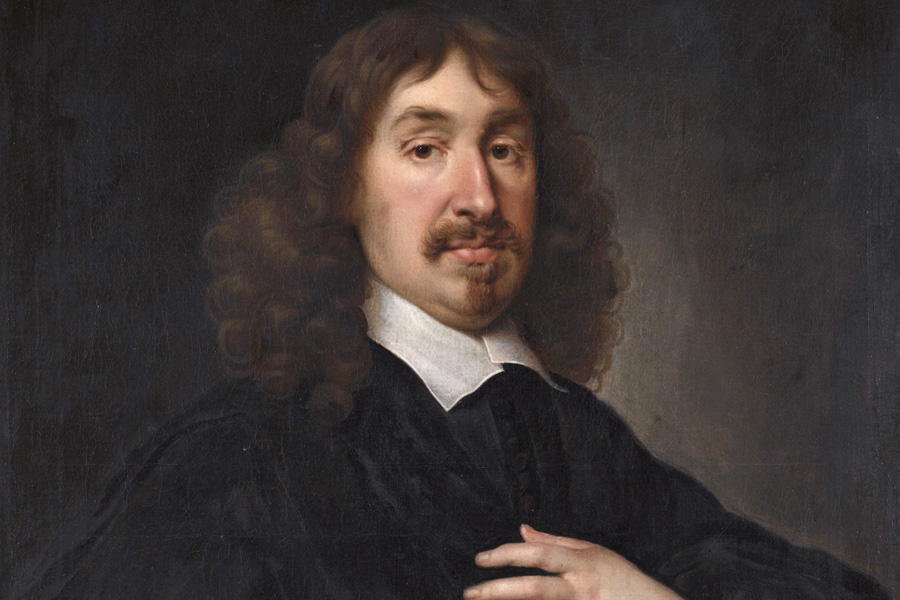
The man at the center of the Grange line
I read John Hamilton Of Grange as a figure shaped by land, inheritance, and family continuity. He was not a man of loud public spectacle. His life moved through the quieter machinery of Scottish heritage, where estates, marriages, heirs, and legal service formed the real architecture of status. In that world, a name could function like a key. John Hamilton Of Grange held such a key, and through him the Grange line stayed locked to its past while opening into the future.
The records place him in the seventeenth century, born about 1652 and dying in March 1695. He stands between older and younger generations of the family, a hinge in the house of Hamilton. His life is best understood not as a single dramatic story, but as a chain of relationships. Each link matters. Each name carries weight.
Family roots, parents, and the older Hamilton house
John Hamilton Of Grange belonged to a family that carried its identity through repeated naming and careful marriage. His father was John Hamilton Of Grange, who died in April 1675. His mother was Elizabeth Crawford, daughter of John Crawford of Crawfordland and Janet Cuninghame of Craigends. That marriage joined two important family lines and gave the Grange house both social and genealogical strength.
His paternal grandparents were Sir John Hamilton Of Grange, who died in February 1662, and Margaret Hamilton, daughter of John Hamilton of Sandieholme. That older generation matters because it shows how the Grange title and estate were already firmly woven into the Hamilton family before the John I am writing about came into view. The family did not rise in one leap. It grew like a tree with roots that kept pushing deeper into Scottish soil.
Here is a compact view of the family structure:
| Family member | Relationship | Notes |
|---|---|---|
| Sir John Hamilton Of Grange | Grandfather | Died February 1662 |
| Margaret Hamilton | Grandmother | Daughter of John Hamilton of Sandieholme |
| John Hamilton Of Grange | Father | Died April 1675 |
| Elizabeth Crawford | Mother | Daughter of John Crawford of Crawfordland and Janet Cuninghame of Craigends |
| Rebecca Cuninghame | Wife | Also written Robina Cunninghame in some records |
| Alexander Hamilton Of Grange | Son | Inherited the family line |
This table only begins the story. The family was more than a list. It was a living structure, and every relationship pushed the next one into place.
Marriage, household, and the next generation
John Hamilton Of Grange married Rebecca Cuninghame, sometimes also written Robina Cunninghame. This marriage brought the Cuninghame line directly into the Grange family narrative. I see this union as a bridge, not a decoration. In houses like this, marriage was both personal and strategic. It secured alliances, strengthened inheritance, and gave the next generation a firmer platform.
Their son was Alexander Hamilton Of Grange. He is the clearest child attached to John in the surviving family material, and through him the line continues forward. Alexander later became the next important holder of the Grange identity, and his own family becomes much more visible in the records.
John Hamilton Of Grange had one role that mattered above all others in this family story. He carried the line forward without breaking it. That may sound modest, but it is one of the hardest things any family can do.
Land, inheritance, and the shape of his work
I don’t think John Hamilton Of Grange had a modern job. Landholding, kinship, inheritance, and duty shaped his art. He was a laird, meaning he controlled an estate and its liabilities. His office was not a desk. It was a web of duties, woven through property and lineage.
He inherited his father on 31 January 1677. That date counts. It legally transferred the family burden and confirmed him as his father’s successor. The Rebecca Cuninghame marriage is recorded on 31 January 1678. His adult life revolves on these dates. A guy assumes inherited power while constructing a household.
Estate was the family’s engine. It fixed the name. It provided the family status, continuity, and remembrance. In this world, inheritance was real. Land, title, and obligation were transferred. Therefore, his testament, entered in 1700 after his death, is crucial. It reveals that the family’s affairs continued through his legal channels after his death.
His death and the continued line of descent
John Hamilton Of Grange died in March 1695. The date closes his personal life, but not the line he helped preserve. His son Alexander later became heir, with service recorded on 9 February 1708. That step tells me the family structure remained active, organized, and legally recognized long after John’s death.
Alexander Hamilton Of Grange married Elizabeth Pollock, and their household expanded into a larger family of children. The names matter because they show how the Grange identity continued to multiply.
Alexander and Elizabeth’s children included John, Robert, Alexander, James, Walter, George, William, and Joseph. Each name adds a branch to the tree. Some of these children remained unmarried, while others carried the family line in new directions. James Hamilton, in particular, is linked in the wider family history to the line that eventually reached General Hamilton in the United States. The Scottish root sends up shoots far beyond the original estate.
The wider family web and why it matters
The Hamiltons of Grange were not alone. It connected to Crawford, Cuninghame, and Sandieholme lines, which shaped society. Families like this didn’t survive by chance. Pattern, repetition, and alliance saved them.
John Hamilton Of Grange is vital to that web. Son who followed his father, husband who forged a new alliance, and father who handed the inheritance on. His life is significant historically but not theatrically. This person keeps a family together.
That’s appealing. Continuity has force. Though quiet, it is strong. Like sun-warmed stone, it keeps shape without shouting.
A family timeline in sequence
| Date | Event |
|---|---|
| February 1662 | Death of Sir John Hamilton Of Grange |
| April 1675 | Death of John Hamilton Of Grange, the father |
| 31 January 1677 | John Hamilton Of Grange served heir to his father |
| 31 January 1678 | Marriage to Rebecca Cuninghame recorded |
| March 1695 | Death of John Hamilton Of Grange |
| 1700 | Testament recorded |
| 9 February 1708 | Alexander Hamilton Of Grange served heir |
| Around 1730 | Alexander Hamilton Of Grange married Elizabeth Pollock |
This sequence gives the family story its spine. Dates like these are the nails that keep the whole structure from bending out of shape.
FAQ
Who was John Hamilton Of Grange?
John Hamilton Of Grange was a seventeenth century Scottish laird, born about 1652 and died in March 1695. He belonged to the Grange line of the Hamilton family and stood between his older ancestors and the later generation led by his son Alexander.
Who were his parents?
His father was John Hamilton Of Grange, who died in April 1675. His mother was Elizabeth Crawford, daughter of John Crawford of Crawfordland and Janet Cuninghame of Craigends. Through them, he inherited both the Grange name and a strong network of family ties.
Who was his wife?
His wife was Rebecca Cuninghame, also written in some records as Robina Cunninghame. Their marriage linked the Hamiltons of Grange with the Cuninghame family of Craigends and helped shape the next generation.
Who were his children?
The main child identified in the family line is Alexander Hamilton Of Grange. He carried the family forward after John’s death and became the next important holder of the estate and name.
What kind of work did he do?
He was a landholding laird, so his work centered on estate management, inheritance, family responsibility, and legal succession. In his world, work and identity were almost the same thing. Holding land meant holding a whole system together.
Why is his family line important?
His family line matters because it connects older Scottish landed families to later generations and, through those descendants, to wider historical branches. The Grange line is one of those family rivers that starts in one region and keeps flowing into others, carrying memory with it.