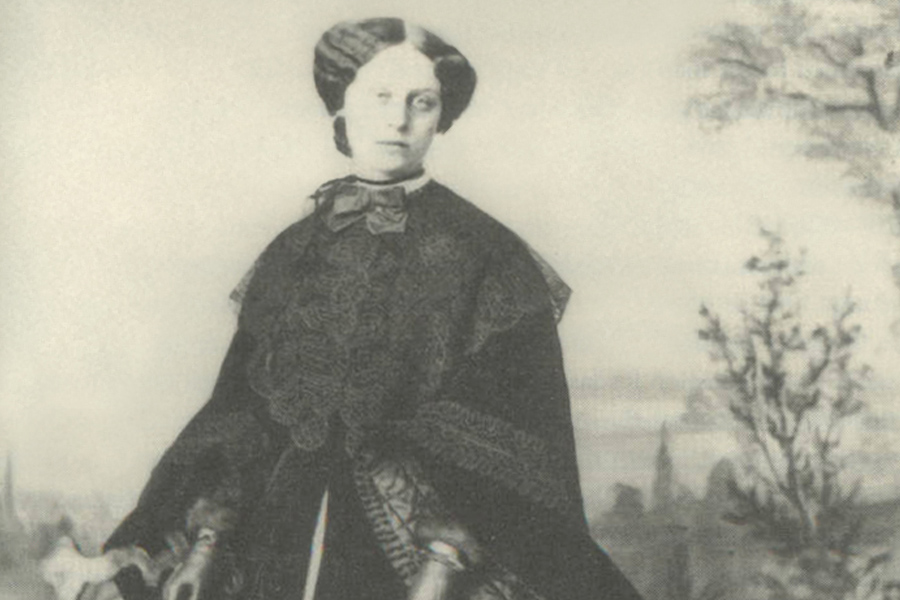
A Spark Ignited in Enslavement
I have always been drawn to lives that transform hardship into quiet power. Louisa Matilda Jacobs stands as one such figure. Born on October 19 1833 in Edenton North Carolina she entered the world already bound by slavery. Her path stretched from those early shadows to decades of activism education and self made stability. She lived until April 5 1917 spanning eighty three years of profound change in American society. What strikes me is how she turned personal trials into communal strength much like a river carving canyons through rock over time.
Her childhood unfolded under constant threat. At around age six she was sent north after her purchase by her father. There she faced neglect yet found ways to learn. By 1842 her mother escaped and the reunion in Brooklyn then Boston reshaped everything. Louisa gained tutoring formal schooling at the Young Ladies Domestic Seminary in Clinton New York and teacher training in Boston. Those steps built her foundation. She never forgot her roots. Instead she wove them into every choice forging a life of purpose.
The Family Tapestry That Sustained Her
Family formed the unbreakable core for Louisa Matilda Jacobs. Their stories interlace like roots supporting a single mighty tree. Each member brought resilience faith and endurance that echoed across generations. Here I outline them one by one with the depth they deserve.
Harriet Jacobs her mother born around 1813 or 1815 and passing in 1897 served as the central anchor. Enslaved in Edenton she authored a groundbreaking account of her experiences under the name Linda Brent. She entered a relationship with a white lawyer to shield herself and bore two children. After hiding for nearly seven years she escaped in 1842. Once reunited mother and daughter lived together for decades. They ran boarding houses in Boston and Washington D.C. co taught in freedmen schools and supported each other through illness and tight finances. Harriet featured young Louisa as Ellen in her book. Their bond ran deep marked by shared faith and mutual caregiving until Harriet died on March 7 1897. Louisa handled the burial and carried the legacy forward.
Samuel Tredwell Sawyer her father born around 1800 and dying in 1865 was a prominent white attorney newspaper editor and United States Congressman from 1853 to 1855. He purchased Louisa and her brother from their enslaver yet never publicly acknowledged paternity or provided full emancipation. Contact remained limited and transactional. This dynamic shaped Louisa deeply teaching her self reliance amid imbalance.
Joseph Jacobs her older brother born around 1829 or 1830 shared the early enslavement. Like Louisa he was purchased and raised initially by maternal kin. He escaped north enlisted in the Union Navy during the Civil War and charted his own course afterward. Though the siblings reunited their adult paths diverged with Joseph appearing less in later records.
Delilah Horniblow her maternal grandmother lived from 1790 to 1819 as an enslaved woman owned by the Horniblow tavern family in Edenton. She died when Harriet was about six passing ownership onward. Louisa knew her mainly through family tales of survival. Those stories instilled early lessons in endurance.
Elijah Knox her maternal grandfather an enslaved biracial skilled carpenter died around 1826. He offered fleeting stability in Harriet early years. His legacy linked the family to Edenton Black community spaces and trades. Louisa drew quiet pride from this line of craftsmanship amid bondage.
Molly Horniblow also called Aunt Martha her maternal great grandmother lived from around 1773 to 1853. She gained freedom worked as a baker in Edenton and raised Louisa and Joseph during Harriet concealment. Deeply religious she influenced St. Paul Episcopal Church and taught values of faith and perseverance. Molly purchased a home supported the household and became the steady hand guiding the children. Her role proved vital to Louisa early survival.
John S. Jacobs her uncle born around 1815 and passing in 1873 was Harriet younger brother. Enslaved at first he escaped worked as a valet and turned abolitionist lecturer and writer. He encouraged Louisa schooling at the Clinton seminary lived with the family later and remained close until his death. Louisa helped arrange his funeral with William Lloyd Garrison officiating. He rests alongside Harriet and Louisa in Mount Auburn Cemetery Cambridge Massachusetts.
These ties ran deeper than blood. They formed a network of support that propelled Louisa through every challenge.
Forging a Career from Determination
Louisa Matilda Jacobs had a varied career without inherited fortune. Through schooling, entrepreneurship, and caregiving, she supported her mother. Her roles demonstrate resourcefulness in a hostile era for Black women.
She taught and co-founded the Jacobs Free School in Alexandria, Virginia, serving hundreds of freedpeople from 1863 to 1865. She founded Savannah’s Lincoln Freedom School in 1865. From 1884 until 1886, she taught sewing and cooking at Howard University Girls Industrial School. She taught self-sufficiency as Miner Hall’s only female preceptress and matron from 1903 to 1908.
Entrepreneurship made money. At a New York estate, she oversaw canning and baking in summer 1882 and 1883. In Washington D.C., she started a jam and pickle business that made money. Harvard associates and politicians lived in Boston Cambridge and Washington D.C. boarding houses. She did domestic and sewing labor during hard times.
There were temporary clerk positions at the Census Bureau and Treasury Department from 1891 to 1893. From 1898 until 1903, she managed daily operations for elderly and poor residents at the National Home for the Relief of Destitute Colored Women and Children as assistant then full matron. Activism complemented everything. She talked throughout upstate New York and England for the American Equal Rights Association in 1867 to raise funds. She joined the 1896 Colored Womens League and 1886 suffrage conferences.
Budgets were minimal. Room and board were common in matron jobs. Friends gave occasional stipends. Health issues including angina pectoris forced retirement at 75. She spent dozens of years advancing Black education, women’s rights, and community welfare, touching thousands of lives.
Milestones Across Eighty Three Years
To grasp the sweep of her journey consider this timeline. It captures pivotal moments with precision.
| Year | Event |
|---|---|
| 1833 | Born October 19 in Edenton North Carolina to Harriet Jacobs and Samuel Tredwell Sawyer baptized at St. Paul Episcopal Church |
| 1835 | Mother enters hiding Louisa briefly imprisoned contracts measles with lasting eye effects |
| 1839 | Purchased by father sent north at age six to Brooklyn relatives |
| 1842 | Mother escapes reunion in Brooklyn then move to Boston |
| 1849 | Attends Young Ladies Domestic Seminary in Clinton New York |
| 1856 | Serves as governess with the Fanny Fern family |
| 1863 | Co founds and teaches at Jacobs Free School Alexandria Virginia for hundreds of students |
| 1865 | Establishes Lincoln School Savannah Georgia views Lincoln body conducts relief in Richmond |
| 1867 | Lectures for American Equal Rights Association tours England |
| 1869 | Sues Atlantic Navigation Company for discrimination in Savannah |
| 1870 | Runs boarding houses in Boston and Washington D.C. launches preserves business |
| 1886 | Attends National Woman Suffrage Association convention with mother |
| 1891 | Takes United States Census Bureau work |
| 1896 | Joins Colored Womens League at Frederick Douglass home |
| 1897 | Mother dies March 7 Louisa arranges burial at Mount Auburn Cemetery |
| 1898 | Becomes matron at National Home for Destitute Colored Women and Children |
| 1903 | Serves as preceptress at Howard University Miner Hall |
| 1914 | Moves to family friends home in Brookline Massachusetts |
| 1917 | Dies April 5 in Brookline buried at Mount Auburn Cemetery with mother and uncle |
These dates reveal a life of steady forward motion.
FAQ
What defined Louisa Matilda Jacobs childhood challenges?
Born into slavery in 1833 she endured separation from her mother who hid for nearly seven years. Brief imprisonment and illness marked those years. Yet purchase and northern relocation at age six opened doors to education despite neglect. These trials built her resolve early.
How did her mother Harriet Jacobs influence her path?
Harriet provided the emotional and practical anchor. After 1842 escape they lived together ran businesses and taught side by side. Shared activism and caregiving defined their decades long bond. Louisa handled all final arrangements in 1897 showing devotion that lasted a lifetime.
Who formed the maternal backbone of her family?
Delilah Horniblow as grandmother offered stories of survival until 1819. Elijah Knox as grandfather brought skilled trade heritage until around 1826. Molly Horniblow as great grandmother raised the children taught faith and secured a home until 1853. Their combined legacy grounded Louisa values.
What achievements marked her professional life?
She co founded schools serving hundreds from 1863 onward taught at Howard University for years ran a successful preserves business and managed homes for the vulnerable. Lectures in 1867 and suffrage work added impact. All without wealth she sustained herself and others through eight decades of service.
Did Louisa Matilda Jacobs ever marry or have children?
No she never married or bore children. Focus stayed on caregiving for her mother family and community. Independence defined her personal choices allowing full commitment to education and activism.